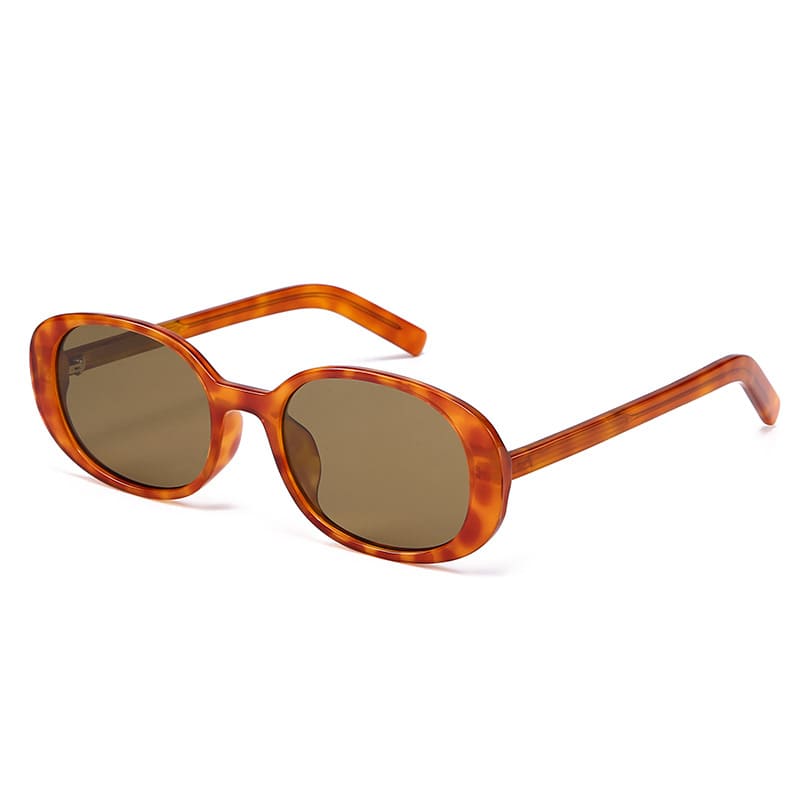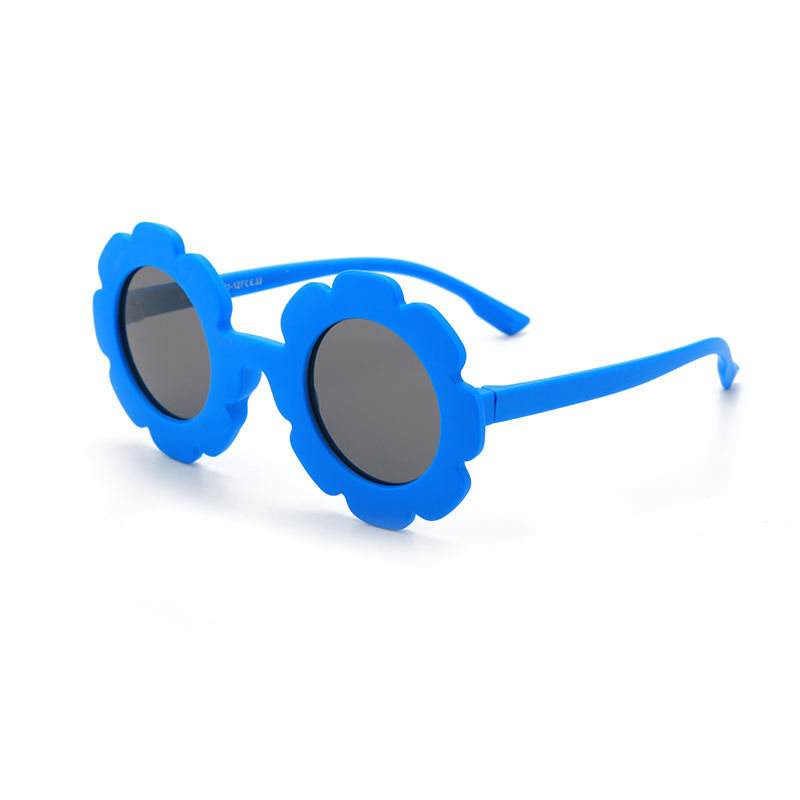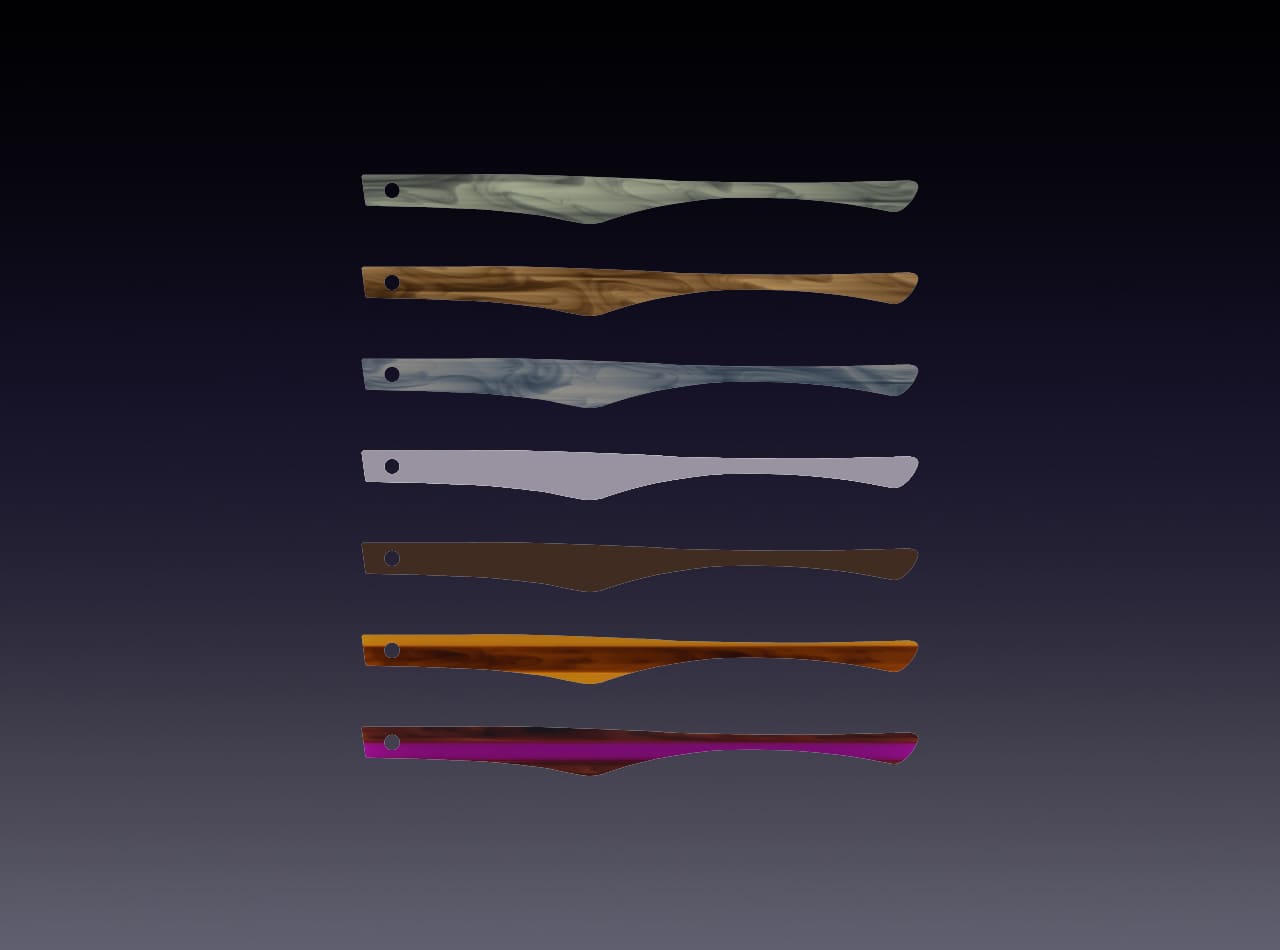

When it comes to eyewear, China has earned a reputation for producing high-quality eyeglasses at remarkably low prices. From stylish frames to advanced lenses, consumers worldwide are turning to Chinese manufacturers for affordable yet reliable options. But what makes high-quality eyeglasses so inexpensive in China? This blog explores the key factors behind this phenomenon, shedding light on the country’s eyewear industry and its global impact.
Economies of Scale in Manufacturing
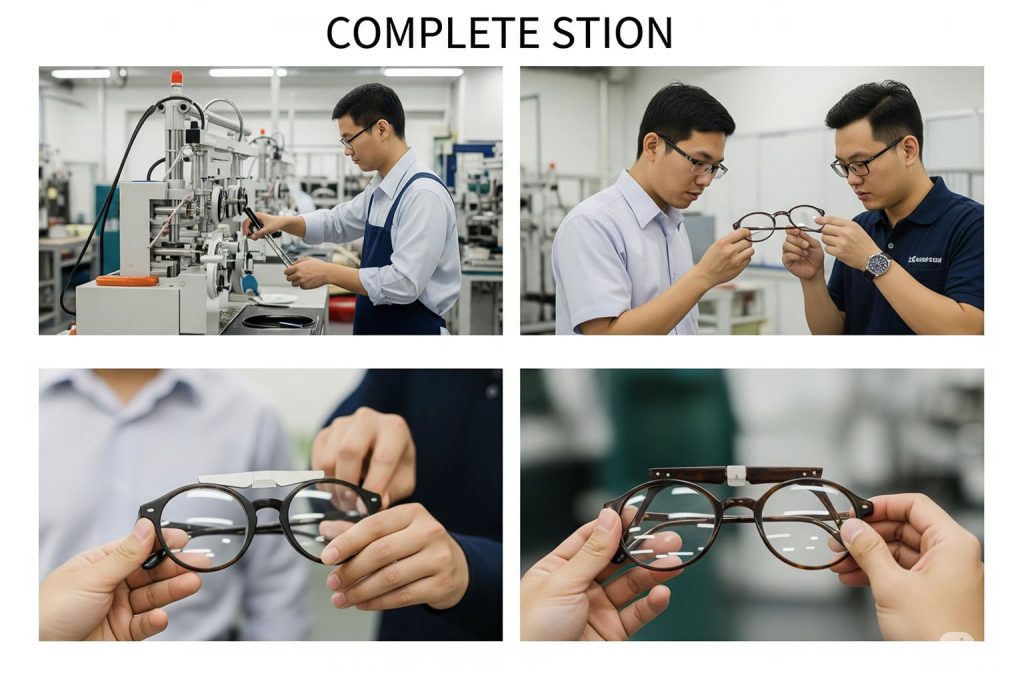
China is a global hub for eyewear production, with massive manufacturing clusters in cities like Danyang, Wenzhou, and Dongguan. These regions house hundreds of factories specializing in eyeglasses, benefiting from economies of scale. By producing millions of frames and lenses annually, manufacturers spread out fixed costs, significantly reducing the price per unit. This high-volume production allows companies to offer competitive prices without compromising quality.
For example, Danyang, often called the “eyewear capital of the world,” produces nearly half of the world’s lenses, enabling suppliersස
Lower Labor and Operational Costs
Labor costs in China are generally lower than in many Western countries, which contributes significantly to the affordability of eyeglasses. The eyewear industry employs a large workforce, and the relatively low wages, combined with efficient production processes, keep manufacturing costs down. Additionally, operational expenses such as factory rent and utilities are often more affordable in China’s industrial clusters compared to other global manufacturing hubs. These savings are passed on to consumers, resulting in lower retail prices for high-quality products.
Access to High-Quality Raw Materials
Contrary to outdated stereotypes about “Made in China” products, Chinese manufacturers have access to high-quality materials like acetate, titanium, and polycarbonate for lenses. These materials are sourced locally or through well-established supply chains within China’s manufacturing clusters, reducing transportation costs. For instance, high-quality acetate, which requires a year-long curing process, and compliant metals like nickel are readily available, ensuring that quality remains high while costs stay low.
Advanced Manufacturing Technology
China’s eyewear industry has invested heavily in cutting-edge technology, including precision prototyping and automated assembly processes. These advancements improve efficiency and consistency, allowing manufacturers to produce high-quality frames and lenses at a fraction of the cost of traditional handcrafted methods. Companies like Essilor and Luxottica, which produce 15% of their glasses in China, leverage these technologies to maintain global standards while keeping prices competitive.
Fierce Market Competition
The eyewear market in China is highly competitive, with numerous manufacturers vying for business. This competition drives innovation and forces companies to offer high-quality products at lower prices to attract customers. Retailers like Firmoo and Joysee Eyewear provide a wide range of stylish, affordable options, further pushing down prices while maintaining quality. Consumers benefit from this dynamic, as brands strive to balance cost and craftsmanship to stay ahead.
Streamlined Supply Chains
China’s manufacturing clusters, such as those in Shenzhen and Guangzhou, are strategically located to simplify supply chain logistics. Factories producing similar products are grouped together, making it easier to source raw materials and share transportation resources. This clustering reduces logistical costs, such as shipping and warehousing, which in turn lowers the final price of eyeglasses. Shared containers and frequent deliveries within these clusters further cut expenses, making high-quality eyewear more affordable.
Transparent and Fast Retail Experience
Buying glasses in China is designed for efficiency and affordability. Opticians often display transparent pricing for frames, lenses, and add-ons, unlike the hidden costs sometimes found in other countries. Additionally, the turnaround time for custom glasses is remarkably quick—often within 30 minutes to a couple of days—reducing overhead costs for retailers. This efficiency translates into lower prices for consumers without sacrificing quality.
Addressing the "Made in China" Stigma
The perception that Chinese-made products are low quality is outdated. Major brands like Bolon, a subsidiary of Essilor, use premium materials like Italian acetate and produce designs that rival European labels. Independent testing labs in China, such as PEL, ensure that eyewear meets international standards, debunking myths about substandard quality. By carefully selecting reputable suppliers and conducting thorough factory audits, buyers can ensure they receive high-quality products at a fraction of the cost.
Conclusion
High-quality eyeglasses are inexpensive in China due to a combination of economies of scale, low labor and operational costs, access to quality materials, advanced technology, fierce competition, and efficient supply chains. These factors have transformed China into a global leader in eyewear production, offering consumers stylish, durable, and affordable glasses that meet international standards. Whether you’re shopping online through platforms like Firmoo or visiting opticians in cities like Danyang, China’s eyewear market provides unbeatable value. So, next time you’re looking for a new pair of glasses, consider exploring Chinese retailers—you might be surprised by the quality and savings!