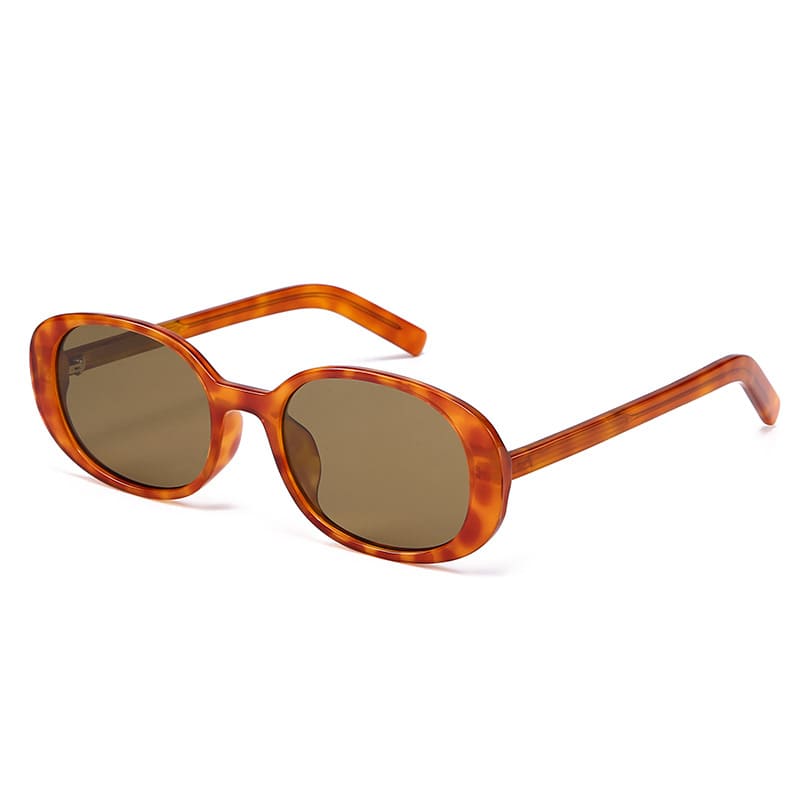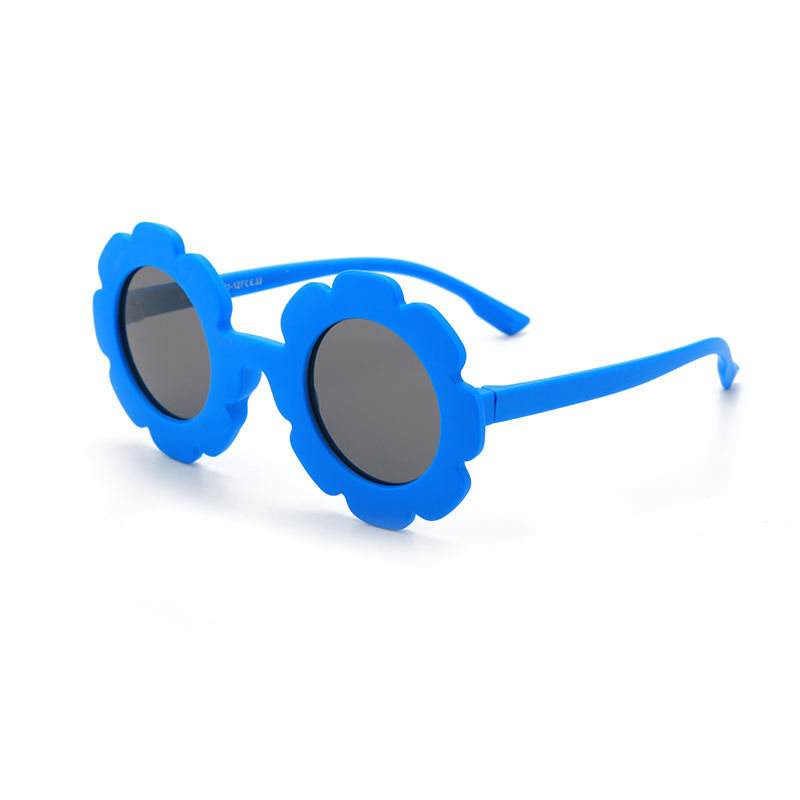

Smart start to kids sunglasses essentials
When you shop for kids sunglasses, it’s easy to get distracted by fun colors and playful shapes. But here’s the real question: are those shades actually protecting your child’s eyes? Imagine a long day at the park or beach—without the right sunglasses, your child’s eyes are exposed to invisible UV rays that can quietly cause lasting harm. Let’s break down the essentials every parent should know before making a choice, so you can buy with confidence and clarity.
- UV protection (UV400/100% UVA & UVB)
- Impact resistance
- Fit by age
- Polarization (for glare reduction)
- Warranty and replacement policies
- Material safety (BPA-free, non-toxic, no small parts)

Why kids sunglasses matter for eye health
Children’s eyes are especially vulnerable to the sun’s ultraviolet rays. According to the American Academy of Ophthalmology, sunglasses certified to block 99% or more of UVA and UVB rays are necessary for infants and children when outdoors. The World Health Organization also warns that UV exposure can contribute to eye conditions like cataracts later in life. Even on cloudy days, up to 80% of UV rays can penetrate clouds, so sunglasses for kids aren’t just for summer—they’re a year-round essential.
What truly defines safe childrens sunglasses
Not all children’s sunglasses offer real protection. Here’s what to look for:
- UV400 labeling: This means the lenses block all light up to 400 nanometers, covering 100% of UVA and UVB rays. Look for explicit wording like “sunglasses uva uvb 100” or “UV400.”
- Shatter-resistant polycarbonate lenses: These help prevent injuries if the glasses are dropped or hit.
- Wraparound or side coverage: Frames that fit close to the face limit light from sneaking in at the sides, a key feature for children’s sunglasses uv protection.
- Flexible hinges and secure straps: Especially important for infants and toddlers, these features keep glasses in place and reduce breakage.
- Material safety: Choose bpa free sunglasses, non-toxic paints, and avoid small detachable parts for children under three.
Always check product descriptions for explicit “UV400” or “100% UVA/UVB” claims. If possible, look for third-party lab verification to confirm the lenses meet safety standards. Avoid vague terms like “UV protection” without numbers.
Quick checklist before you buy
- Is there a clear UV400 or “sunglasses uva uvb 100” label?
- Are the lenses made of shatter-resistant polycarbonate?
- Does the frame design wrap around or provide good side coverage?
- Are the materials bpa free and free from toxic finishes?
- Is there a secure fit for your child’s age (including straps for infants/toddlers)?
The single most important takeaway: If sunglasses don’t clearly say “UV400” or “100% UVA/UVB,” they may not be protecting your child at all.
How to spot real UV400 labeling
Genuine kids sunglasses will have “UV400” printed on the lens, tag, or packaging. If you’re unsure, ask the retailer for documentation or consider having the lenses tested at an optical shop. Remember, dark lenses without UV400 can be worse than no sunglasses at all, since they let in more UV light by causing pupils to dilate (see guide).
Polarized vs non-polarized for kids
Polarization helps reduce glare—great for water, snow, or sports—but it isn’t a substitute for UV protection. Always prioritize verified UV400 first, then consider polarization as a bonus for comfort.
Materials and finish safety
Choose bpa free sunglasses with smooth, non-toxic finishes. For infants and toddlers, make sure there are no small parts that could detach. A safe pair of children’s sunglasses should be as tough as your child’s adventures.
Style is fun, but safety comes first. Each review in this guide weighs both, so you can find the best kids sunglasses for your child’s needs. Skim the reviews, then use the comparison table for a quick side-by-side on specs and safety.
How we test and rank kids shades
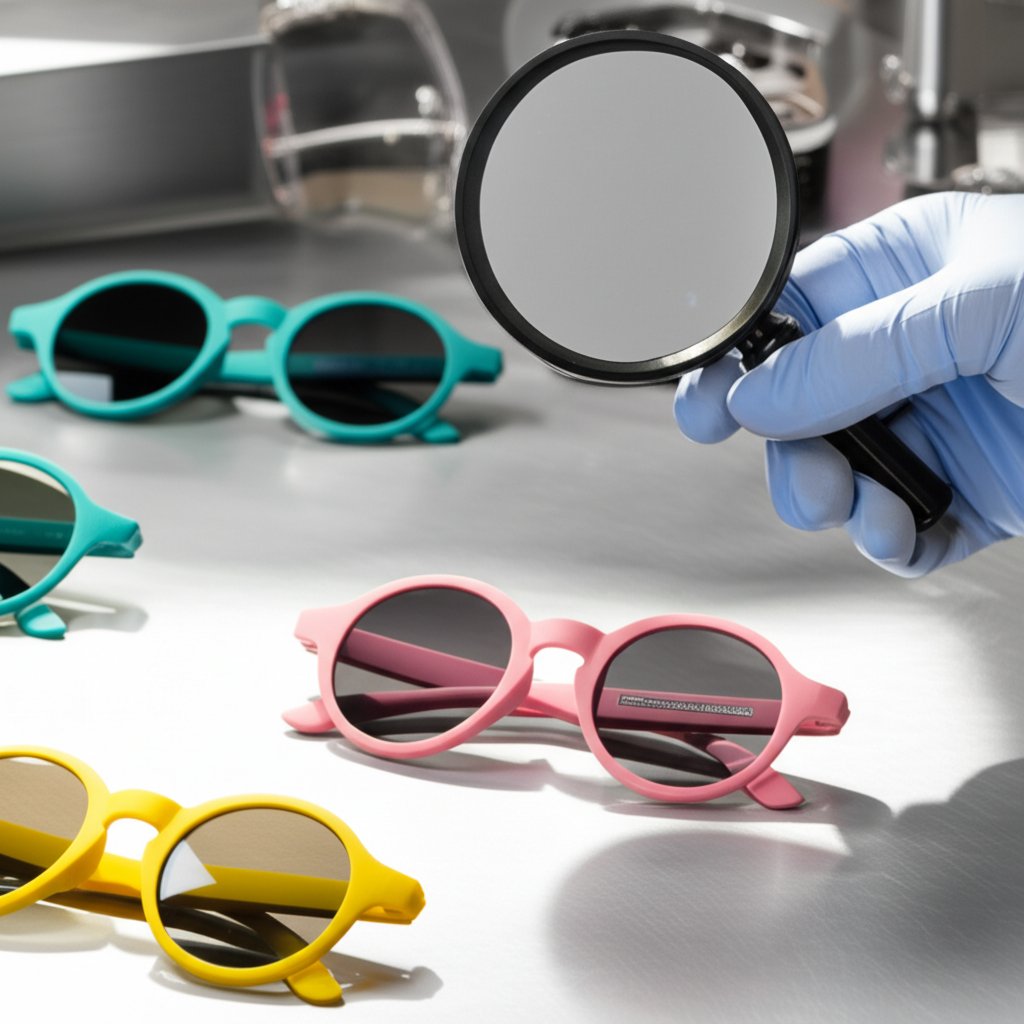
Sounds complex? It doesn’t have to be. When you’re choosing kids sunglasses, you want real protection, not just a stylish accessory. But how do you know which pairs actually deliver on their promises? Our testing and ranking approach is designed to be as clear and repeatable as possible—so you can trust the results, whether you’re shopping for children’s sports sunglasses or everyday wear.
How we verify UV claims and lens quality
Imagine picking up a pair of sunglasses labeled “UV protection,” only to discover it’s just a dark tint with no real defense against the sun. That’s why our first step is always to check for explicit UV400 or “100% UVA/UVB” labeling, either on the packaging or the product page. According to optometry experts, only sunglasses with these markings can be considered truly sunglasses protective against harmful rays. We also look for third-party lab verification or ANSI/CE certifications when available, especially for children’s uv sunglasses.
- Verify UV400 or 100% UVA/UVB labeling on the box, tag, or product listing.
- Confirm lens material: Polycarbonate or Trivex are preferred for shatter and impact resistance—crucial for sports sunglasses for kids.
- Note polarization and glare reduction: Polarized lenses are a bonus, especially for youth polarized sunglasses used around water, snow, or bright fields.
- Inspect hinges, temples, and straps: We check for flexible hinges, smooth temple arms, and secure strap options for different age groups.
- Assess frame materials and finish safety: Only BPA-free, non-toxic materials pass our test. For U.S. sales, we also check for CPSIA compliance and California Proposition 65 safety standards.
- Check warranty and loss replacement policies: We note if brands offer coverage for breakage or loss—a plus for active kids.
- Evaluate comfort and fit: Glasses are tested on children of various ages for pressure points, nose bridge comfort, and light leakage at the temples or under the eyes.
Fit and durability checks by age group
When you buy kids sports sunglasses or prescription sunglasses for kids, fit is everything. We test each pair on children matching the intended age range, from toddlers to tweens. Our testers wear the sunglasses during active play—running, jumping, riding bikes, and even during sports games—to see if they stay in place and withstand drops or rough handling. Durability is especially important for children’s aviator sunglasses and frames meant for outdoor use.
Sensory-friendly and toddler retention testing
Ever had a toddler refuse to keep their sunglasses on? You’re not alone. We pay special attention to how glasses feel on sensitive skin, whether the weight is balanced, and if adjustable straps or flexible hinges make a difference. For the youngest testers, we look for designs that minimize pressure and avoid marks on the nose or behind the ears. Only frames that pass our comfort and retention checks make it to our top picks.
| Feature | Specification |
|---|---|
| UV Rating | UV400 / 100% UVA/UVB (verify on product) |
| Polarization | Yes/No (confirm from official details) |
| Lens Material | Polycarbonate, Trivex, or as specified |
| Frame Material | BPA-free plastic, acetate, or as specified |
| Temple Length | List measurement if provided; else “not specified by manufacturer” |
| Bridge Width | List measurement if provided; else “not specified by manufacturer” |
| Age Range | Officially stated age group |
| Warranty | Warranty/loss replacement policy or “not specified” |
| Certifications | ANSI/CE/CPSIA/other, or “not specified” |
Use this checklist for each product review—if a spec isn’t listed by the manufacturer, we’ll note it transparently to help you make the best choice.
What we don’t accept in claims
We flag any sunglasses that use vague language like “UV protection” without stating UV400 or 100% UVA/UVB. Why? Because only explicit claims, ideally backed by third-party lab reports or certifications, can be trusted. We also call out missing specs, so you know exactly where information is lacking. This approach builds trust and ensures that only the best, safest children’s uv sunglasses make it onto our list.
The bottom line: If a pair of kids sunglasses doesn’t clearly state UV400 or 100% UVA/UVB—and can’t prove impact resistance—move on to a safer, better-documented choice.
Next, we’ll dive into our top picks, starting with custom-fit options for teams and organizations who need bulk solutions with uncompromising safety standards.
LidaGlasses custom kids line for teams and brands
Imagine you’re organizing a youth sports league, planning a summer camp, or launching a boutique kids’ brand. You need more than just a few pairs of kids sunglasses—you need reliable, safe, and stylish shades that can be tailored for your group’s unique needs. That’s where custom youth sunglasses solutions come in, offering both peace of mind and a chance to put your logo front and center.
Who it’s for
Custom-fit kids sunglasses are the smart pick for:
- Sports teams and leagues needing matching, performance-ready eyewear
- Schools and camps looking for packs of childrens sunglasses that meet safety standards
- Boutique retailers or emerging brands wanting to launch their own line with custom colors and branding
- Organizations planning fundraisers or giveaways with high-impact, practical items
Choosing a manufacturer like LidaGlasses allows you to specify exactly what matters—UV400 lenses for real children’s sunglasses uv protection, BPA-free and non-toxic materials, and even the option for impact-resistant polycarbonate or hypoallergenic acetate frames. You can also select flexible hinges, adjustable straps for toddlers, and sizes to fit various age groups. This approach is ideal for anyone who wants their custom youth sunglasses to offer more than just a logo—they offer real safety and real value.
Pros and cons
Pros
- Full control over safety specs—UV400, impact resistance, BPA-free, and CPSIA-conscious materials
- Custom branding and color options for team spirit or retail appeal
- Ability to order in bulk, making them cost-effective for packs of childrens sunglasses
- Options for sports-specific designs—think youth tennis sunglasses or youth polarized sunglasses fishing styles
- Flexible fit features, like adjustable straps for younger kids
Contras
- Requires a minimum order, so not ideal for families needing just one or two pairs
- Lead times may be longer than off-the-shelf options
- Specification and design choices can feel overwhelming without clear guidance
Use cases
- Youth sports leagues needing matching, durable kids sport sunglasses for tournaments
- Summer camps supplying sports sunglasses for youth in outdoor activities
- Boutique retailers launching a signature line with unique branding and child-safe materials
- Fundraising events distributing cheap youth sunglasses with verified UV protection
Tip: For outdoor sports, consider lens tints. Brown or amber lenses boost contrast for baseball or tennis, while gray lenses reduce glare for youth polarized sunglasses fishing or poolside play.
Key specs box
| Feature | Specification (example; confirm with manufacturer) |
|---|---|
| UV Rating | UV400 / 100% UVA/UVB (required for safety) |
| Polarization | Available on request (ideal for glare-heavy environments) |
| Lens Material | Polycarbonate, Trivex, or custom (impact-resistant preferred) |
| Frame Material | BPA-free plastic, acetate, or recycled materials |
| Temple Length | Customizable by age group or style |
| Bridge Width | Customizable by age group or style |
| Age Range | Infant, toddler, youth, or as specified |
| Warranty | Defined per bulk order or manufacturer policy |
| Certifications | CPSIA, CE, or as specified |
Be sure to complete this table with the exact specs from your chosen configuration and request written confirmation of UV400 and safety certifications.
When you’re outfitting a team, school, or retail line, custom youth sunglasses provide the flexibility to meet both safety and branding needs—no compromises. Next, we’ll look at toddler-friendly classics that focus on comfort and durability for the youngest adventurers.

Babiators Original Navigator toddler friendly classic
When you’re shopping for sunglasses for 2 year olds or even younger, you’re probably asking: Will my toddler actually keep these on? Are they safe, comfortable, and tough enough for playground tumbles? The Babiators Original Navigator is a standout in the world of toddler sun glasses because it’s designed from the ground up for tiny faces and active hands. Let’s dig into why these are among the best toddler sunglasses for everyday adventure and eye health.
Who it’s for
If your child is in the toddler stage—think curious, always-on-the-move, and sometimes (let’s be honest) stubborn about accessories—these sunglasses are built for you. Babiators Navigators work for boys and girls, with sizes and colors to suit most toddlers. They’re especially great for parents who want peace of mind about UV safety and material quality, whether you’re looking for toddler boy sunglasses, toddler girl sunglasses, or even newborn sunglasses with strap compatibility for the youngest riders.
Pros and cons
Pros
- Flexible, rubber-like frame that bends without breaking—perfect for rough play
- Lightweight and soft, reducing pressure on small noses and ears
- Compatible with adjustable straps (sold separately or included in some sets) to keep glasses on during stroller walks or car rides
- Available in a wide range of fun colors to match any outfit or personality
- Shatter-resistant polycarbonate lenses for real-world durability
- BPA-free materials and smooth, non-toxic finishes for peace of mind
Contras
- Limited size range—may not fit older preschoolers or kids needing 3T sunglasses and up
- No built-in polarization option in the classic Navigator line
- Straps may need to be purchased separately depending on retailer
Pro tip: Use the included or optional strap to help reduce the risk of dropped or lost sunglasses—especially during active play. To encourage wear, try putting on your own sunglasses first (mirroring), start with short sessions, and offer lots of praise when your toddler keeps them on. Consistency and positive reinforcement go a long way!
Use cases
- Stroller walks in the park or around the neighborhood
- Beach days where glare and sand are everywhere
- Playground sessions with climbing, running, and jumping
- Car rides when the sun hits just right through the window
Key specs box
| Feature | Specification (per official brand page) |
|---|---|
| UV Rating | UV400 / 100% UVA & UVB protection |
| Polarization | Available in polarized and non-polarized options |
| Lens Material | Shatter-resistant polycarbonate |
| Frame Material | BPA-free, flexible rubber-like plastic |
| Temple Length | Not specified by manufacturer |
| Bridge Width | Not specified by manufacturer |
| Age Range | Typically fits ages 0-2 (Infant) and 3-5 (Toddler) |
| Warranty | Lost & Found Guarantee available (see brand for details) |
| Certifications | Not specified by manufacturer |
Safety reminders: Always check for smooth, non-toxic finishes and avoid sunglasses with small detachable parts for children under three. Babiators’ materials are BPA-free, making them a safer choice for young kids who might chew on their frames. Regularly inspect straps and hinges for wear, and adjust the fit as your child grows.
Fit tips for toddlers
- Look for a soft, gentle contact on the nose bridge—frames should sit comfortably without pinching or sliding.
- Choose light frame weight to minimize discomfort and encourage longer wear.
- If using a strap, make sure it’s snug but not too tight—just enough to keep glasses in place during play.
- Re-check the fit every few months, especially during growth spurts, and consider moving up to 3T sunglasses or preschool sizes as needed.
- For children who resist wearing sunglasses, start with short, positive sessions and gradually increase time as they adjust.
Imagine your toddler enjoying a sunny day—eyes protected, glasses in place, and no more wrestling matches in the stroller. With the right fit and a little encouragement, toddler sun glasses like the Babiators Original Navigator can make eye protection an easy, everyday habit. Next, we’ll look at value-driven, polarized picks for kids who love playful styles without compromising on safety.
Knockaround Kids Premiums
When you want real protection for your child’s eyes but need to stick to a budget, it’s easy to wonder: Will affordable really mean safe? The Knockaround Kids Premiums answer this with a resounding yes, offering a rare blend of style, value, and actual UV defense. If you’ve searched for kids polarized sunglasses that can handle playground tumbles and poolside glare without breaking the bank, these might be the best fit for your family.
Who it’s for
These sunglasses are designed for parents who want their kids to enjoy both comfort and protection—without paying a premium price. Knockaround Kids Premiums are sized for children ages 1 to 5, making them ideal for toddlers and preschoolers who are always on the move. If your child loves picking out their own colors or you need a backup pair for the car, these are a smart choice. They’re especially useful for families looking for cheap childrens sunglasses that don’t skimp on safety or features.
Pros and cons
Pros
- True UV400 rating for 99–100% UV protection
- Polarized lenses reduce glare and eye strain—great for outdoor play, water, or sand
- FDA-approved, impact-resistant lenses for extra durability
- Budget-friendly pricing compared to many premium brands
- Lightweight, comfortable fit that stays on during activity
- Fun, playful color options that kids actually want to wear
- Comes with a soft, protective pouch
Contras
- Fewer size increments—best for ages 1 to 5, may be too small for older kids
- Basic hinge design (no spring or flexible hinges)
- No adjustable strap included for extra retention
Use cases
- School field days where active play and sun exposure go hand-in-hand
- Weekend sports spectating—think soccer sidelines or t-ball games
- Poolside or beach outings with strong glare off water and sand
- Everyday errands, walks, or playground trips
Key specs box
| Feature | Specification |
|---|---|
| UV Rating | UV400 / 99–100% UVA & UVB protection |
| Polarization | Yes (polarized knockaround sunglasses) |
| Lens Material | Polycarbonate (FDA-approved, impact-resistant) |
| Frame Material | Polycarbonate |
| Temple Length | 127 mm |
| Bridge Width | 15 mm |
| Age Range | 1 to 5 years (best fit for toddlers and preschoolers) |
| Warranty | Not specified by manufacturer |
| Certifications | FDA-approved lenses; other certifications not specified |
Style and safety
It’s tempting to let kids pick sunglasses by color alone, but safety should always come first. Knockaround Premiums deliver on both fronts: you’ll find a range of playful colors and mirrored lens tints, but every pair is built around a UV400, polarized lens core. This means you get the glare reduction of knockaround polarized sunglasses and the peace of mind that comes with real sun protection. The frames are made from sturdy polycarbonate—great for withstanding drops and rough handling.
- Rainbow/Smoke
- Pink/Green
- Green Moonshine/Smoke
- Blue/Amber
- Aqua/Smoke
- Sunset/Amber
Tip: After putting on the sunglasses, check for light leakage at the temples and under the eyes—especially in bright sun. Even the best knockaround sunglasses premium models can let in stray light if the fit isn’t snug, so adjust placement or try a different size if needed.
Parents consistently report that these knockaround premium sunglasses are lightweight and comfortable enough for all-day wear. Kids are more likely to keep them on, which is half the battle for sun safety. While they don’t come with an adjustable strap, the formfitting design helps keep them in place for most active kids.
In short, if you’re seeking value, durability, and verified UV protection in a playful package, Knockaround Kids Premiums are a favorite pick among cheap childrens sunglasses—with no compromise on real-world safety. Next, we’ll take a look at iconic wayfarer styles, scaled down for everyday school and travel wear.
Ray Ban Junior Wayfarer style for everyday wear
When you picture classic sunglasses, the wayfarer style shades probably come to mind—timeless, versatile, and instantly recognizable. But can this iconic look work for children who need both style and serious protection? If you’ve ever wondered whether childrens ray ban wayfarer sunglasses deliver the same safety and quality as adult models, you’re not alone. Let’s break down what makes the Ray Ban Junior Wayfarer a standout choice for school days, travel, and special occasions.
Who it’s for
Ray Ban Junior Wayfarer sunglasses are designed for families who want more than just playful colors or cartoon prints. These are ideal for kids who want to match their parents’ style, older children who appreciate a grown-up look, and anyone seeking childrens sunglasses ray ban quality. Whether your child is heading to a birthday party, a family vacation, or simply wants everyday shades that go with everything, these glasses offer a blend of fashion and function. They’re also a favorite for those who value brand heritage and want youth ray ban sunglasses that actually protect young eyes.
Pros and cons
Pros
- Iconic wayfarer style shades scaled down for smaller faces
- 100% UVA/UVB protection (UV400) for clear and sun lenses
- Durable construction with anti-scratch and anti-reflective coatings
- Prescription-ready options for children needing corrective lenses
- Available in multiple frame colors and lens tints
- Comes with branded case and cleaning cloth (check official page for inclusions)
Contras
- Premium pricing compared to generic kids sunglasses
- Sizing varies by SKU—some models may not fit very young children or infants
- Some colorways or lens types may be limited in stock
Use cases
- Dress-up occasions where your child wants a polished, grown-up look
- Daily school wear for fashion-forward kids who want reliable sun protection
- Travel and family outings, where durable, comfortable sunglasses are a must
- Special events or photo days
Key specs box
| Feature | Specification (verify on official product page) |
|---|---|
| UV Rating | UV400 / 100% UVA & UVB protection |
| Polarization | Available in select models (confirm before purchase) |
| Lens Material | Polycarbonate or prescription-ready lenses |
| Frame Material | Durable plastic (varies by colorway) |
| Temple Length | Varies by SKU—check product listing |
| Bridge Width | Varies by SKU—check product listing |
| Age Range | Typically fits ages 6–12 (varies by SKU and fit) |
| Warranty | Free personalized adjustments and aftercare in-store |
| Certifications | Not specified by manufacturer |
Always verify the exact specs, sizing, and included accessories (like case and cleaning cloth) on the official Ray-Ban product page before purchasing. If you’re shopping for infant ray bans or ray ban infant sizes, note that availability may be limited and fit will differ from the standard Junior Wayfarer line.
Fit guidance by age
Getting the right fit is just as important as style or UV protection. Here’s how you can measure for the best match at home:
- Temple length: Measure from the front of your child’s ear, over the ear, to about an inch below the earlobe. Compare this to the specs listed on the product page.
- Bridge width: Measure the width of your child’s nose where the glasses will sit. This helps prevent slipping or pinching.
- Lens width: Check that the lens covers the entire eye area without extending too far past the temples.
If you’re unsure, try on in-store for a free personalized adjustment, or consult a sizing chart if available. Remember, proper fit reduces the risk of light leakage and increases comfort—making it more likely your child will keep their glasses on throughout the day. Sizing may vary by SKU, so always check the product measurements before buying.
- Ages 6–9: Junior Small (check product page for mm specs)
- Ages 10–12: Junior Regular or Large (check product page for mm specs)
If specific sizing isn’t listed, reach out to customer service or visit a local optical shop for guidance.
In summary, Ray Ban Junior Wayfarer sunglasses offer a trusted blend of iconic style and safety for children. Whether you’re searching for childrens ray bans for a special event or everyday use, the key is to prioritize UV400 protection and a secure, comfortable fit. Up next, we’ll explore sport-ready sunglasses for kids who need extra wraparound coverage and grip for active outdoor play.

Oakley XS Radar EV
Imagine your child tracking a pop fly in the midday sun—squinting, losing sight of the ball, or blinking away dust. For active kids, especially those on the baseball diamond, the right sunglasses aren’t just an accessory—they’re essential equipment. That’s where the Oakley XS Radar EV steps in, offering a wraparound, sport-specific design built for the demands of youth baseball, softball, and any high-intensity outdoor play.
Who It’s For
This model is purpose-built for young athletes who spend hours on ballfields, bikes, or trails. If your child plays baseball, soccer, or even cycles on sunny days, these youth baseball sunglasses provide the coverage, comfort, and durability needed for action. They’re also a top pick for parents seeking children’s Oakleys with proven performance and a secure fit.
- Baseball and softball players needing maximum UV and glare protection
- Kids who compete in biking, hiking, or other outdoor sports
- Youth athletes who wear helmets or caps during play
- Families seeking baseball glasses youth options with sport-specific features
Pros and Cons
Pros
- Wraparound frame offers superior side coverage, minimizing stray sunlight and wind
- Grippy nosepads and temple arms keep glasses secure during running, diving, or helmet use
- Impact-resistant lenses (polycarbonate or equivalent) for eye safety on the field
- Multiple lens tint options tailored for different light conditions (see below)
- Designed for smaller faces—snug fit without pinching or slipping
Contras
- Technical, sporty look may not appeal to all kids for everyday wear
- Premium pricing compared to basic youth sunglasses baseball option
- Some lens tints or features may only be available in select models
Use Cases
- Youth baseball and softball games—especially for outfielders who track balls in bright sun
- Biking, hiking, and outdoor team sports
- Bright midday sun or variable weather conditions
- Any scenario where sunglasses for baseball youth must stay put through movement
Key Specs Box
| Feature | Details (verify on official product page) |
|---|---|
| UV Rating | UV400 / 100% UVA, UVB & UVC Protection (inherent to its Plutonite® lens material) |
| Polarization | Not specified by manufacturer (check for sport-specific tints or polarization) |
| Lens Material | Impact-resistant (polycarbonate or equivalent; confirm on product page) |
| Frame Material | Plastic/acetate (verify on official site) |
| Temple Length | Not specified by manufacturer |
| Bridge Width | Not specified by manufacturer |
| Age Range | Youth fit (check sizing for best match) |
| Warranty | Benefit available (see insurance/warranty details on official page) |
| Certifications | Not specified by manufacturer |
For the most accurate specs, always refer to the Oakley XS Radar EV product page and confirm UV400 or “100% UVA/UVB” labeling before purchase.
Sports Fit Tips
Youth polarized baseball sunglasses and wrap styles must fit seamlessly with hats, helmets, and active movement. Here’s how to dial in the right fit for baseball glasses youth or any sport-specific shade:
- Test helmet compatibility—ensure temples tuck under caps or helmet straps without pressure points
- Check for grippy nosepads and arms to prevent slippage during sweat or quick turns
- Look for ventilation features or anti-fog coatings to minimize lens fog in humid or high-exertion situations
- Confirm that the wrap design covers the full eye area, reducing light leakage from the sides
Lens Tint Guidance for Sports
- Amber/Brown: Enhances contrast and depth perception—ideal for bright or partly cloudy days on the field
- Gray: Best for extremely bright sunlight—reduces overall brightness while keeping color accuracy
- Yellow: Boosts visibility and contrast in low light or overcast conditions
- Mirror/Multicolor: Often used for glare reduction in high-glare or variable light (check for polarization if needed)
Choose the lens tint that matches your child’s primary playing conditions, but always ensure it doesn’t compromise full UV protection.
For active kids, sunglasses for baseball youth should be as routine as a glove or cleats—wrap coverage, impact-resistant lenses, and a secure fit are non-negotiable for safety and performance.
In summary, the Oakley XS Radar EV is a standout for young athletes who demand real protection, comfort, and performance on the field. Next, we’ll highlight classic, family-friendly sunglasses sized for everyday adventures and sibling matching.
WeeFarers Polarized Classics in Kid Sizes
Ever tried to find a pair of sunglasses that actually fit your toddler, survive playground drops, and look just like “grown-up” shades? That’s exactly what WeeFarers set out to solve. These classics are designed for infants through preschoolers, blending real eye protection with a style that appeals to little kids and their parents alike. But what sets WeeFarers apart from other options, and are they the right fit for your family’s next sunny day adventure?
Who It’s For
WeeFarers are ideal for families who want children’s sunglasses that combine genuine sun protection with a classic, easy-to-match look. They’re especially great for:
- Infants and toddlers (0–2 years) who need their first pair of wee farers
- Preschoolers (2–4 years) who want to match older siblings or parents
- Parents looking for little girl sunglasses or boys’ shades that are simple and stylish
- Families who appreciate a durable, bpa-free frame with a one-year loss replacement policy
If your kids love to copy your style, these are a smart pick—especially since the classic shape is modeled after iconic wayfarer sunglasses, but scaled down for small faces.
Pros and Cons
Pros
- 100% UVA and UVB protection (UV400) for real children’s sunglasses UV protection
- FDA-approved, impact-resistant lenses—stand up to drops and rough handling
- Available in both weefarers polarized sunglasses and non-polarized options
- BPA- and phthalate-free bendable plastic frame—safe for teething toddlers
- Comes with a soft pouch and a removable rubber strap to keep glasses in place
- Multiple frame and lens color combos to suit girls’ kids sunglasses and boys alike
- One-year free replacement if lost or broken
Contras
- Only available in two sizes (0–2 and 2–4 years)—not suitable for older kids
- One classic style—kids wanting aviator or cat-eye shapes may want more variety
- Some light leakage at the top of the frame for infants with rounder cheeks
Pro tip: Choosing the same style for siblings can prevent disputes—matching wee co shades for brothers and sisters means fewer arguments about who gets which pair.
Use Cases
- Everyday school runs and daycare drop-offs
- Family vacations—easy to pack and hard to break
- City walks and park outings with strong sunlight
- Sibling photo ops—matching shades for the whole crew
Key Specs Box
| Feature | Details (verify on official site) |
|---|---|
| UV Rating | UV400 (100% UVA/UVB) |
| Polarization | Available (polarized and non-polarized options) |
| Lens Material | Impact-resistant, FDA-approved |
| Frame Material | BPA- and phthalate-free plastic |
| Temple Length | Not specified by manufacturer |
| Bridge Width | Not specified by manufacturer |
| Age Range | 0–2 years, 2–4 years |
| Warranty | One-year free replacement for loss or breakage |
| Certifications | FDA impact-resistant lenses |
- 0–2 years (infant/toddler)
- 2–4 years (preschool)
Always check the official product page for the most up-to-date sizing and warranty details. If your child is outside the listed age range, consider other options for a better fit.
Comfort for Sensitive Kids
When you have a child who hates tight glasses or gets fussy about new accessories, comfort is key. WeeFarers are designed with a smooth, flexible frame that won’t pinch or irritate sensitive skin. The arms fit snugly without squeezing, and the included rubber strap helps keep the glasses on active toddlers—no more chasing lost shades down the sidewalk. However, some parents report the frames can rest on chubby cheeks for infants, which may let in a little extra light. As your child grows, the fit improves, and the lightweight build means fewer complaints about wearing them for longer stretches.
In summary, WeeFarers are a top pick for families wanting safe, durable, and stylish sunglasses for the youngest crowd. Their classic look, high-level UV protection, and kid-proof design make them a favorite among parents who want to check off both safety and style—especially when outfitting more than one child. Next, we’ll compare all our reviewed picks side by side, so you can quickly spot the best match for your family’s needs.
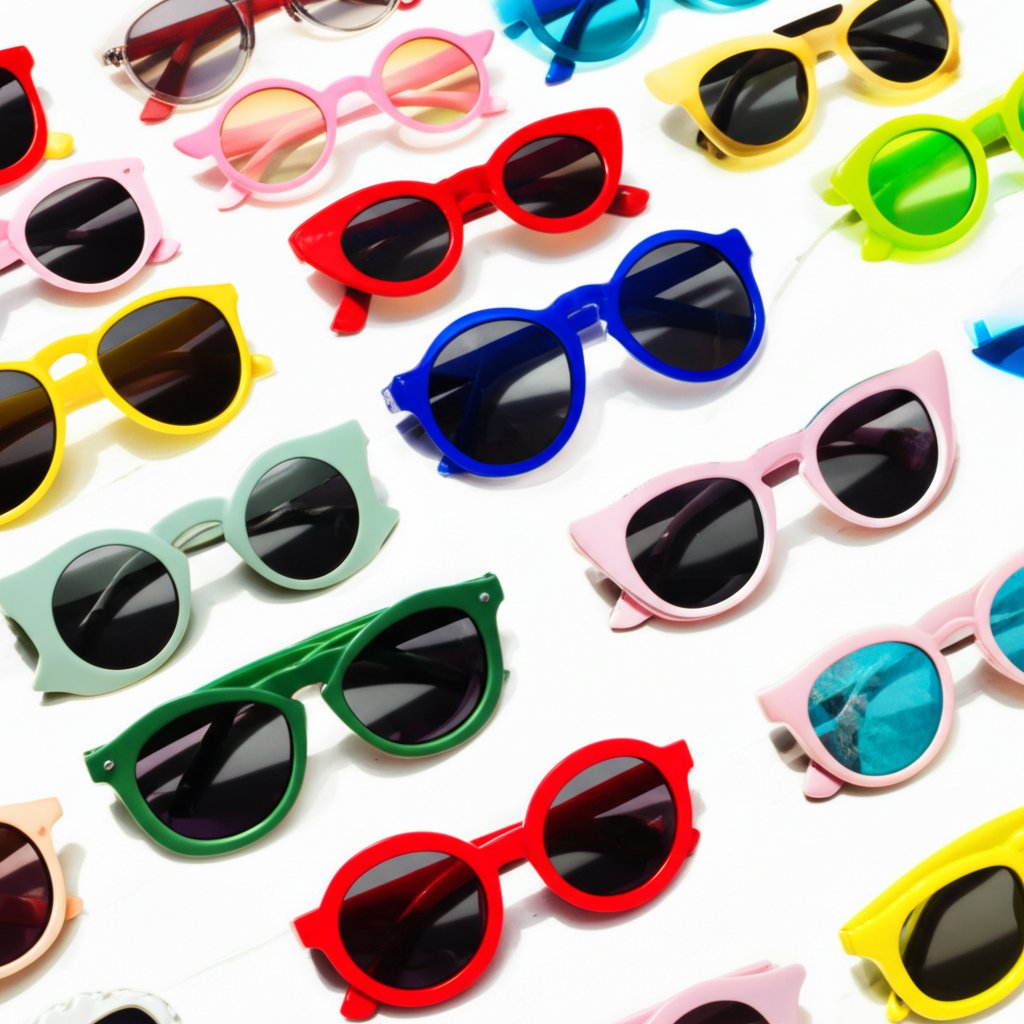
Side by Side Comparison and Quick Picks
When you’re faced with a wall of options, how do you know which kids sunglasses truly deliver on safety, comfort, and value? Maybe you’re shopping for a toddler who refuses to keep shades on, a tween who wants style and real protection, or a young athlete who needs wraparound coverage for the ballfield. To make your decision easier, we’ve gathered our top-tested picks and compared them by the features that matter most—so you can quickly spot the best childrens sunglasses for your family’s needs.
Quick Comparison by Key Specs
| Producto | UV Rating | Polarized | Lens Material | Frame Material | Sizes/Age Range | Sports-Ready | Notable Warranty | Price Range |
|---|---|---|---|---|---|---|---|---|
| Babiators Original Navigator | UV400 (100% UVA/UVB) | Disponible | Polycarbonate | Flexible, BPA-free rubber | Infant, Toddler, Child (0–6+ yrs) | Everyday play | 1-year free replacement | Mid |
| Knockaround Kids Premiums | UV400 (100% UVA/UVB) | Sí | Polycarbonate | Plastic | 1–5 yrs | Light sports, daily | Free returns (US) | Budget |
| Ray Ban Junior Wayfarer | UV400 (100% UVA/UVB) | Some variants | Anti-scratch, anti-reflective | Plastic/acetate | Junior (5–12 yrs) | Everyday, travel | Free adjustments/returns | Premium |
| Oakley XS Radar EV | UV400 / 100% UVA, UVB & UVC Protection (inherent to its Plutonite® lens material) | Available in select models | Impact-resistant (polycarbonate or equivalent) | Plastic/acetate | Youth fit | Yes (wrap, sport) | See official warranty | Premium |
| WeeFarers Polarized Classics | UV400 (100% UVA/UVB) | Disponible | Impact-resistant, FDA-approved | BPA- and phthalate-free plastic | 0–2 yrs, 2–4 yrs | Everyday, light play | 1-year free replacement | Mid |
Note: Always verify UV rating, size, and warranty details on the official product page before purchasing. If a spec is missing, such as temple length or certifications, check the manufacturer’s site or contact customer service—transparency is key for junior sunglasses and sunglasses for tweens.
Which Pair Fits Your Child’s Needs?
- Best for toddlers who won’t keep glasses on: Babiators Original Navigator (soft fit, tough frame, strap compatible)
- Best for youth baseball or outdoor sports: Oakley XS Radar EV (wrap coverage, secure fit, impact-resistant)
- Best budget polarized: Knockaround Kids Premiums (affordable, real polarization, playful styles)
- Best for style-conscious tweens and teens: Ray Ban Junior Wayfarer (iconic look, fit for older kids, prescription-ready)
- Best for siblings and everyday use: WeeFarers Polarized Classics (multiple sizes, matching options, durable)
When choosing youth sunglasses or teen sunglasses, always start by confirming UV400 labeling and impact-resistant lenses. Fit comes next—too loose and light leaks in, too tight and kids won’t wear them. Once those pillars are met, style and color are the final step. Remember, even the best sunglasses for teens or the most stylish sunglasses for teenagers are only effective if your child likes wearing them and they stay put during real-world use.
Correct fit isn’t just about comfort—it dramatically reduces light leakage and ensures sunglasses actually protect your child’s eyes, whether they’re on the playground or the baseball field.
With these side-by-side comparisons, you can confidently narrow your search and select the right junior sunglasses or sunglasses for tweens, teens, and every age in between. Next, we’ll wrap up with clear, scenario-based recommendations to help you choose with confidence.
Final Picks and How to Choose with Confidence
When you’ve compared features and weighed the pros and cons, it’s time to match your child—or your organization—to the right pair of kids sunglasses. Whether you’re a parent, coach, or school administrator, the final decision should always be grounded in safety, fit, and how the sunglasses will be used day to day. Not sure where to start? Let’s break it down by scenario and need.
Our Top Three Picks
- For teams, schools, or custom-branded needs: LidaGlasses Custom Eyewear Manufacturing is your go-to for bulk orders or launching a branded kids line. You can specify UV400 lenses, BPA-free materials, and even tailor the fit for different age groups. This is ideal if you’re wondering where to buy childrens sunglasses that meet strict safety specs and want full control over style and branding. Organizations can ensure every pair is compliant and cohesive—no guesswork.
- Best all-around for families: Babiators Original Navigator stands out for toddlers and preschoolers who need a soft, chew-safe fit and a warranty that covers those inevitable lost or broken pairs. If you’re searching where to buy infant sunglasses that actually stay on and protect, Babiators is a proven choice for everyday adventures.
- Best for older kids and tweens: Ray Ban Junior Wayfarer delivers a blend of iconic style, real UV protection, and the option for prescription sunglasses kids may need as their vision changes. These are especially smart for school-age children who want to look good and see clearly—think kids designer sunglasses with real substance.
How to Choose by Age and Activity
Sounds complex? Not when you focus on the basics. Consider your child’s age, how rough they are on gear, and where they’ll be wearing their shades. For infants and toddlers, prioritize flexible frames, no small parts, and a secure strap. For active kids in sports, look for wraparound coverage and impact-resistant lenses. If your child needs vision correction, youth prescription sunglasses are widely available and can be ordered through reputable online retailers or your optician.
- Measure your child’s current eyewear or use a size guide to ensure the right fit.
- Always check for UV400 labeling and confirm the lens material is impact-resistant.
- Test the fit outdoors—look for gaps, light leakage, or pressure points.
- Register your warranty if the brand offers one—many cover loss or breakage for a year.
If you’re an organization or event coordinator, custom bulk orders through a manufacturer like LidaGlasses let you lock in safety specs and branding. For most families, the best sunglasses for kids are those your child will actually wear—safe, comfortable, and age-appropriate.
Final takeaway: If it doesn’t clearly say UV400 with impact-resistant lenses, keep looking.
Kids Sunglasses FAQ
1. What are the best brands for kids sunglasses?
Top kids sunglasses brands include Babiators, Knockaround, Ray-Ban Junior, Oakley, and WeeFarers. Each offers UV400 protection, impact-resistant lenses, and options for different ages. For bulk or custom-branded needs, manufacturers like LidaGlasses allow you to tailor specs for teams or retail lines.
2. What age should kids start wearing sunglasses?
Children should begin wearing sunglasses outdoors from 6 months old. Early use helps prevent UV damage and protects sensitive eyes. Choose sunglasses with a secure fit and verified UV400 labeling for infants and toddlers.
3. Are polarized sunglasses better for kids?
Polarized lenses reduce glare and improve comfort, especially for outdoor sports or water activities. However, always prioritize sunglasses with verified UV400 protection first; polarization is a valuable bonus for extra clarity and reduced eye strain.
4. How do I verify if kids sunglasses offer real UV protection?
Check for explicit UV400 or ‘100% UVA/UVB’ labeling on the product or packaging. Avoid sunglasses that only mention ‘UV protection’ without specific details. For added confidence, look for third-party lab verification or request documentation from the retailer.
5. What features should I consider when buying sunglasses for different age groups?
For infants and toddlers, prioritize flexible, BPA-free frames, no small parts, and adjustable straps. For older kids and tweens, look for proper fit, impact-resistant lenses, and style options they’ll want to wear. Always check for a warranty or replacement policy for added peace of mind.