
When you shop for sunglasses, you probably think about style, UV protection, or brand—but how often do you consider what they’re actually made of? While lenses and frames may look simple, the materials behind them play a huge role in comfort, durability, flexibility, and overall performance. And among all materials used in sunglasses, plastic is the most common, especially for both frames and lenses.
But “plastic” isn’t just one substance. There are several different types used in the manufacturing of sunglasses, each with unique properties that affect quality, weight, safety, and price. In this article, we’ll explore the most common plastics found in sunglasses and how they contribute to the eyewear you wear every day.

Acetate: The Premium Choice in Frame Plastic
One of the most popular and luxurious plastics used in sunglass frame manufacturing is acetate, specifically cellulose acetate. This material is derived from renewable sources like cotton and wood pulp, making it both plant-based and biodegradable under industrial conditions.
Why Acetate Stands Out
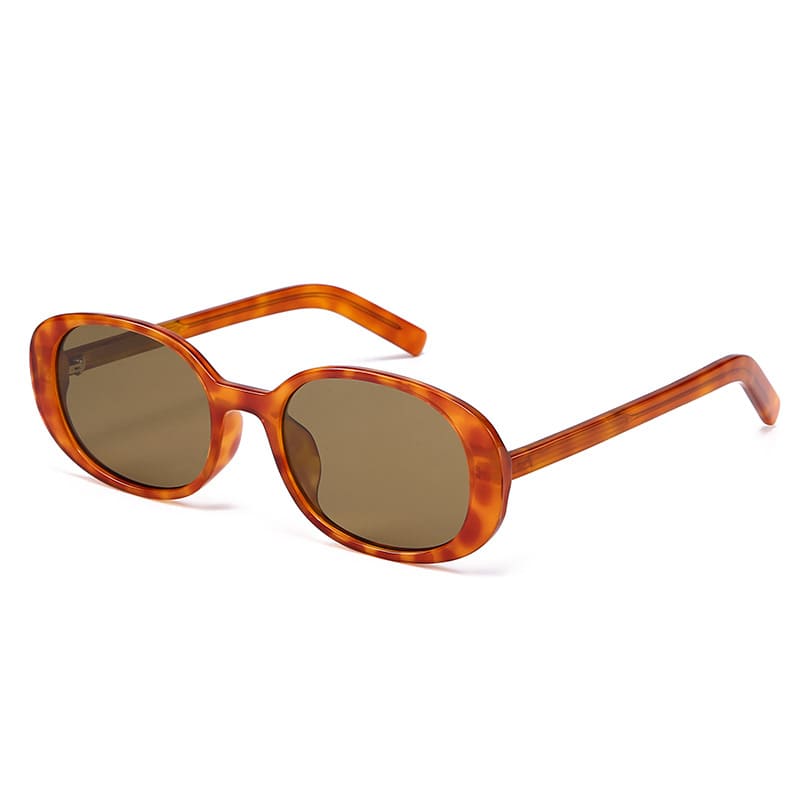
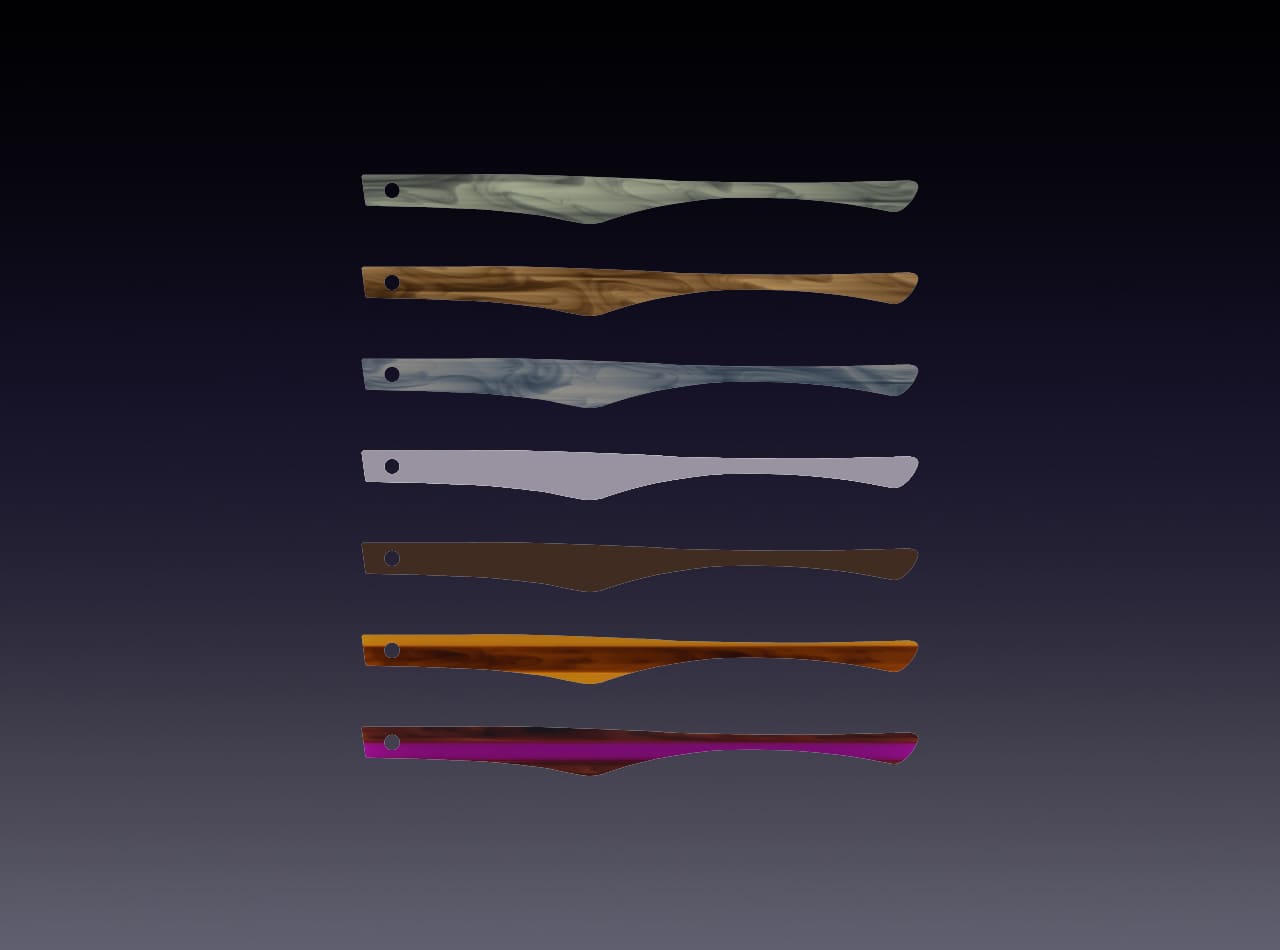
Acetate is known for its rich color variety, deep polish, and ability to be handcrafted into a range of shapes. Unlike injection-molded plastics, acetate sheets are cut, shaped, and then polished by hand, allowing for more color layering and translucency. This gives acetate frames their unique depth and pattern complexity—such as tortoiseshell, marbled finishes, or dual tones.
Aside from aesthetics, acetate is also lightweight and hypoallergenic, making it a comfortable option for prolonged wear. It can be heated and adjusted by opticians, giving it a custom-fit feel. While more expensive than other plastics, it’s considered worth the investment for durability and visual appeal.
TR90: The Flexible Performance Plastic
In the world of sport and performance eyewear, TR90 has become a popular frame material. TR90 is a thermoplastic developed in Switzerland, known for being lightweight, incredibly flexible, and impact-resistant.
Ideal for Active Lifestyles
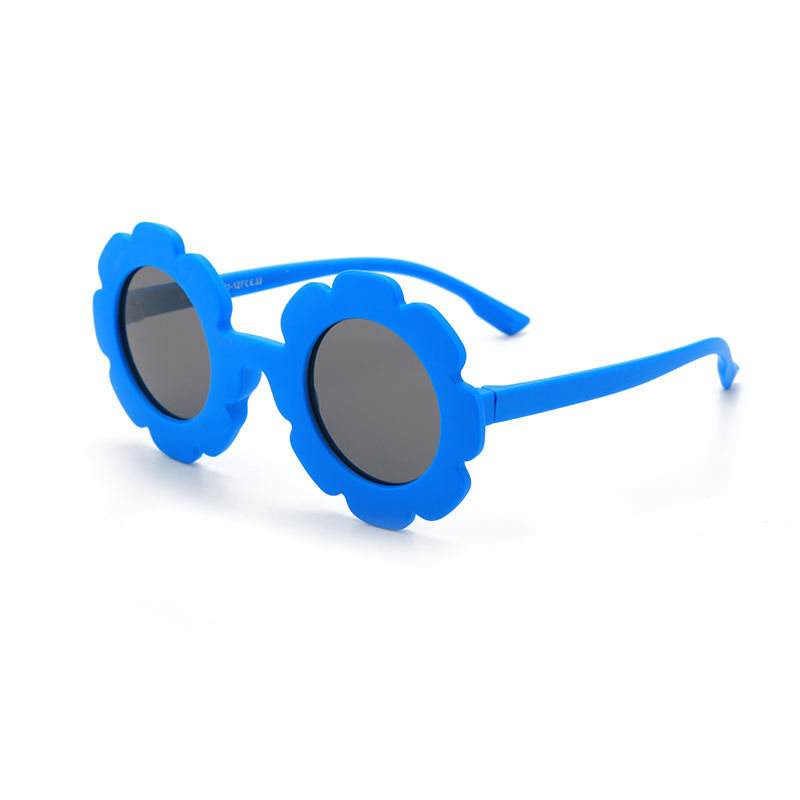
TR90 frames are highly durable and can bend without breaking, which makes them ideal for sports sunglasses or children’s eyewear. They also hold their shape under stress, providing comfort without sacrificing strength. Additionally, TR90 is heat-resistant and maintains stability in high temperatures, unlike some other plastics that become brittle over time.
The comfort level is also worth noting—TR90 is so lightweight that it reduces pressure on the nose and ears, making it suitable for all-day wear. It’s often used in wraparound designs and outdoor gear due to its resilience and ergonomic comfort.
Nylon: Lightweight and Resistant
While not as commonly mentioned by name, nylon is another plastic often used in sunglass frames—especially for wraparound or sport-style sunglasses. It’s lightweight, flexible, and resistant to both heat and cold, making it a practical option for extreme conditions.
Built for Performance and Protection
Nylon is popular in sunglasses designed for athletes, motorcyclists, and outdoor workers. It resists chemical corrosion and can be injection-molded into intricate shapes, allowing for aerodynamic or wraparound designs. It’s less prone to breaking under pressure but may scratch more easily compared to harder materials like acetate.
Although nylon doesn’t offer the luxurious feel of acetate, its performance benefits are undeniable, especially in functional or tactical eyewear where resilience matters more than aesthetics.
Polycarbonate: The Go-To Lens Plastic
When it comes to sunglass lenses, polycarbonate is one of the most widely used plastics. Originally developed for aerospace applications, polycarbonate is lightweight and virtually shatterproof, making it ideal for eye protection.
Optical Clarity Meets Safety
Polycarbonate lenses are 10 times more impact-resistant than glass or standard plastic lenses, which is why they’re used in safety glasses, children’s sunglasses, and sports eyewear. Despite being incredibly strong, they are lighter than glass and can be made very thin, contributing to a comfortable wearing experience.
One downside is that polycarbonate lenses are more prone to scratching. To address this, manufacturers often add a scratch-resistant coating to extend their lifespan. Most polycarbonate lenses also include built-in UV protection, making them an all-in-one solution for sun safety and impact protection.
CR-39: The Alternative to Glass
Another popular lens plastic is CR-39, short for Columbia Resin #39. This plastic resin has been used since the 1940s and offers excellent optical clarity with lower weight compared to traditional glass.
A Balance Between Clarity and Comfort
CR-39 lenses are known for their high visual clarity and color accuracy. They are also more scratch-resistant than polycarbonate (without added coatings) but less impact-resistant overall. As such, they are often used in casual sunglasses where optical quality is a priority but impact resistance isn’t as critical.
Unlike polycarbonate, CR-39 lenses can be dyed to achieve darker or gradient tints, making them a good choice for fashion-forward or color-driven designs. They’re also less expensive than high-end lens materials while still offering great visual quality.
Sustainability and the Future of Plastic in Eyewear
As sustainability becomes a growing concern in manufacturing, eyewear brands are beginning to explore eco-friendly plastics and bio-based alternatives. Recycled plastics, biodegradable acetates, and plant-based polymers are starting to appear in modern sunglasses—offering stylish, high-performing options with a lower environmental footprint.
Innovative materials like bio-acetate are replacing traditional petroleum-based plastics in some premium collections. While these sustainable alternatives may currently carry higher costs, they represent a meaningful shift toward responsible production in the eyewear industry.
Conclusion
Plastic plays a foundational role in the world of sunglass manufacturing, offering a wide variety of textures, strengths, colors, and performance benefits. From acetate’s elegant finish to TR90’s athletic flexibility, and from polycarbonate’s shatterproof lenses to CR-39’s optical clarity, each plastic serves a distinct purpose.
Understanding the material behind your sunglasses not only helps you make better purchasing decisions—it also deepens your appreciation for how design and science come together to protect your eyes and elevate your style.
Whether you’re shopping for a new pair or planning to launch your own eyewear line, knowing the properties of each plastic can guide you toward the perfect balance of performance, comfort, and aesthetics.