
Choosing the right eyeglass frames goes beyond just picking a color or following the latest trend. One of the most important decisions you’ll make when selecting glasses is the material of the frame—plastic or metal. Both options come with their own advantages, limitations, and aesthetic appeal. While they may appear similar at first glance, the differences become clearer once you understand how each behaves in terms of durability, comfort, style, and cost.
In this blog, we’ll help you explore both materials in depth so you can make a more informed choice—whether you’re shopping for yourself or sourcing frames for your eyewear brand.
Appearance and Style Preferences
One of the first things people consider when buying glasses is how they look. Both plastic and metal frames offer a wide range of design options, but they appeal to different style preferences.
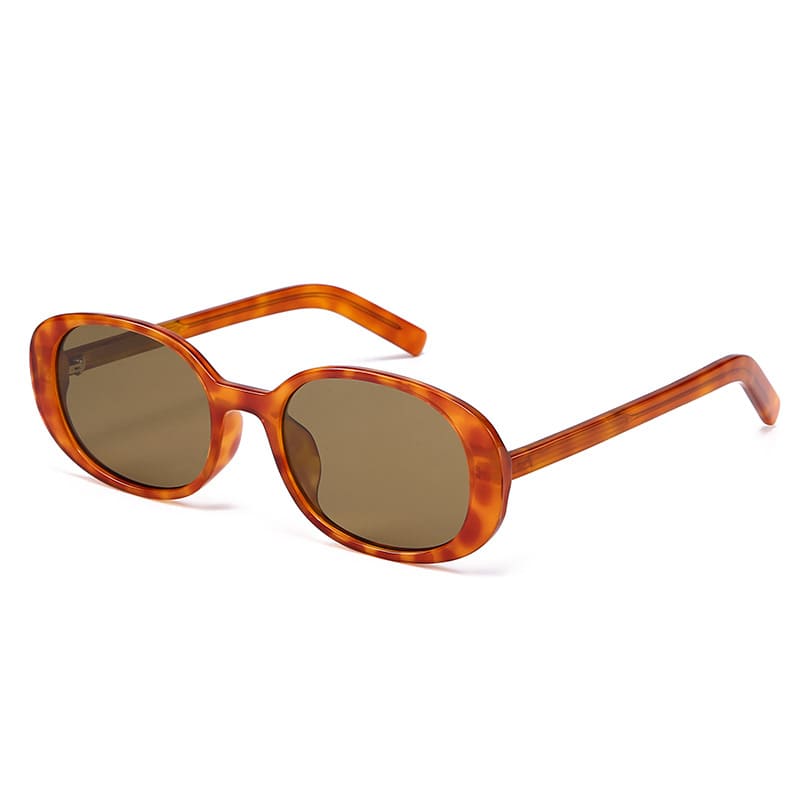
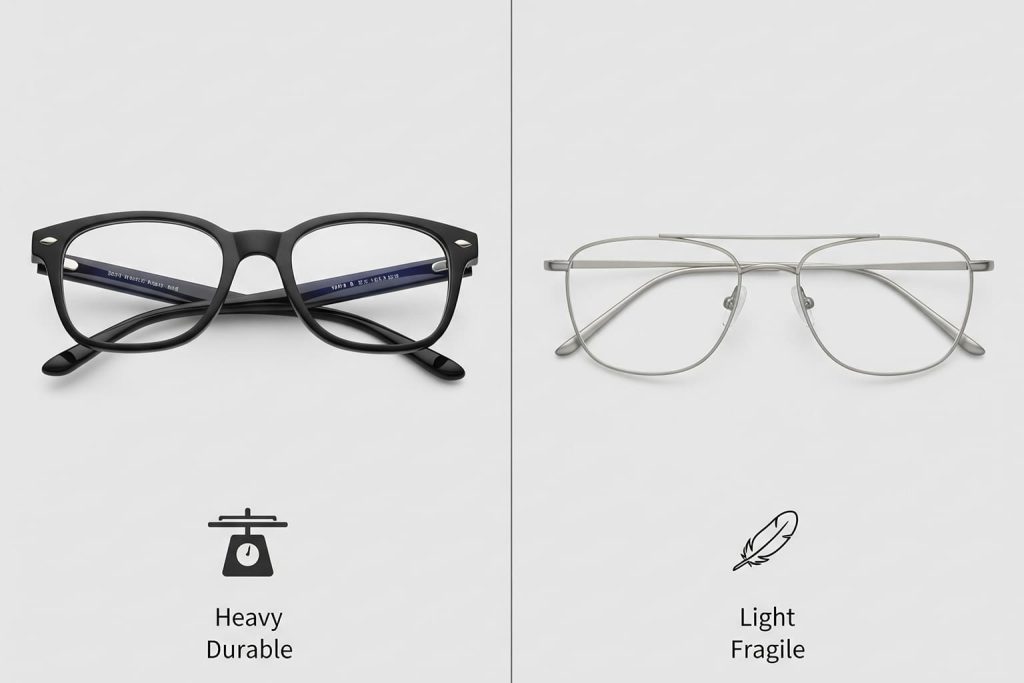
Plastic frames are often thicker and bolder, which makes them ideal for fashion-forward looks. They come in various colors, patterns, and finishes, from matte black to tortoiseshell to transparent styles. Plastic allows more creativity in shape, making it popular among trendsetters and those who want their glasses to stand out.
On the other hand, metal frames tend to offer a more minimalist, refined aesthetic. They’re typically thinner, sleeker, and ideal for business or professional settings. Gold, silver, gunmetal, and rose gold are common choices, and many metal frames lean toward a lightweight, understated look that never goes out of style.
Comfort and Fit
Comfort is crucial, especially if you wear glasses all day. The choice between plastic and metal often depends on the wearer’s sensitivity, face shape, and daily activity.
Plastic Frames
Plastic frames are usually more rigid and less adjustable. That means they may not contour to the face as easily unless custom-fitted. However, they tend to feel secure once properly sized, and the thicker temples can distribute weight more evenly. Some users find them more stable during active use.
Metal Frames
Metal frames often come with adjustable nose pads, making them more adaptable to different nose shapes. They are typically lighter than plastic and can be bent or adjusted slightly for a more tailored fit. This makes them an excellent choice for people who value lightweight, barely-there eyewear.
Durability and Maintenance
Both materials are durable in their own way, but they wear differently over time.
Plastic frames can become brittle with prolonged exposure to heat or sunlight, and if you bend them too far, they may crack. However, they don’t corrode and are easier to clean. Metal frames, especially those made from stainless steel, titanium, or memory metal, are resistant to corrosion and bending. However, some lower-end metal alloys may react to skin oils or humidity and require extra care.
Pricing and Value
In terms of price, plastic frames are often more affordable upfront. They’re easier and cheaper to mass-produce, which makes them popular in fast-fashion collections or for people who like to own multiple pairs for different occasions. However, low-cost plastic frames may not hold up well over time, so you often get what you pay for.
Metal frames can be slightly more expensive, particularly if they’re made from high-grade materials like titanium or beta titanium. That said, they may offer more long-term value due to their durability and flexible fit. If you’re investing in a pair of glasses you plan to wear daily for years, a well-made metal frame might be worth the extra cost.
Lifestyle Considerations
Your day-to-day activities can also influence the best frame choice for you. Plastic frames are a good option for casual use or fashion statements, while metal frames tend to be preferred by professionals, students, and anyone who values lightweight comfort.
If you’re highly active or involved in sports, you might want to explore TR90 or memory metal frames, which are technically still under the “metal” category but designed for extreme flexibility and durability. Likewise, for children or seniors, lightweight and adjustable frames are usually more suitable—often found in metal designs with silicone pads and spring hinges.
Which One Should You Choose?
There’s no definitive answer to which is “better”—plastic or metal eyeglass frames—because the right choice depends on your personal needs, preferences, and style. Some people even alternate between both types depending on the setting.
If you’re looking for bold color and style, and don’t mind a slightly heavier feel, plastic frames might be your best bet. If you’re after a lightweight, professional look with adjustable comfort, metal frames are likely the way to go.
💡 Pro Tip: If you’re sourcing frames for your business or retail store, consider offering both options in your collection. Manufacturers like Lida provide a wide variety of high-quality plastic and metal frames, allowing you to cater to every customer segment—from fashion lovers to minimalist professionals.
Final Thoughts
Both plastic and metal eyeglass frames have evolved significantly in design, function, and performance. Each brings its own set of strengths to the table, and the best frame for you is the one that matches your lifestyle, comfort needs, and sense of style.
As materials improve and designs become more personalized, many wearers are now investing in multiple pairs to suit different occasions. So whether you lean toward bold acetate frames or sleek titanium ones, you’re making a choice that supports both your vision and your personal image.
And if you’re still not sure? Try both—you might be surprised at how different each frame makes you look and feel.